Dolly out
The camera moves away from the subject. Leaving, isolation, revealing the room.
- Starts
- Eye-level cowboy shot
- Ends
- Eye-level wide shot
- Length
- 5 s
- Pace
- Smooth
What it does
Space pours in from all four edges as the subject shrinks. Nearby chairs, doors and other people enter the frame and slide toward the center, while the far wall changes size much less. Each new object adds a fact about where the subject is. A dolly out is often used to reveal the setting or to show isolation.
When to use it
Loneliness can show through the things left in view: a widow who sets the table for two, a player in a locker room after a lost final. It is also commonly used to close a scene.
Writing the prompt
"Dolly out from a close-up to a wide shot, subject stays centered" gives a start and an end. Add what should appear, such as "empty tables enter the frame on both sides".
Easily mixed up with
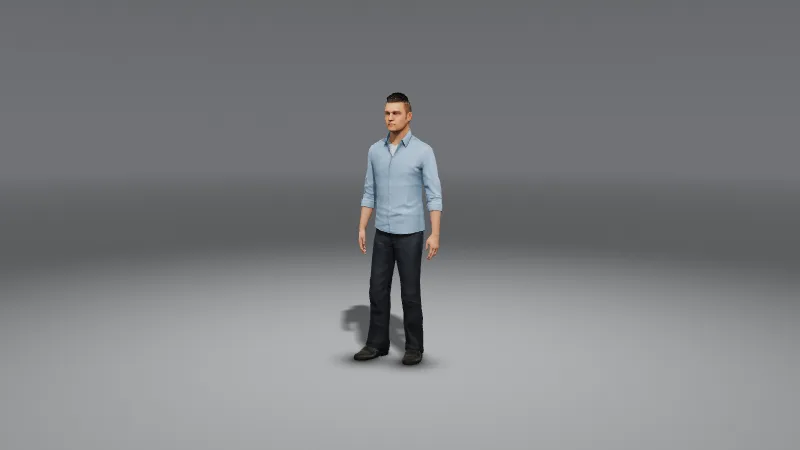
Dolly out
The camera moves away from the subject.
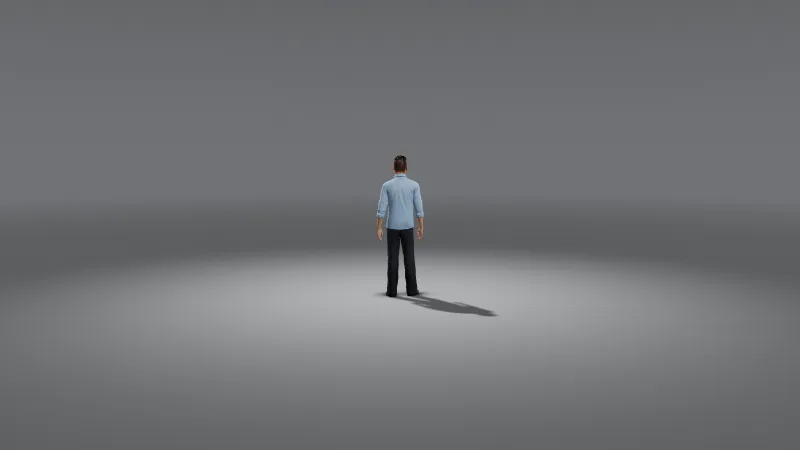
Back away
Slower and seen from behind, as the camera leaves the subject.
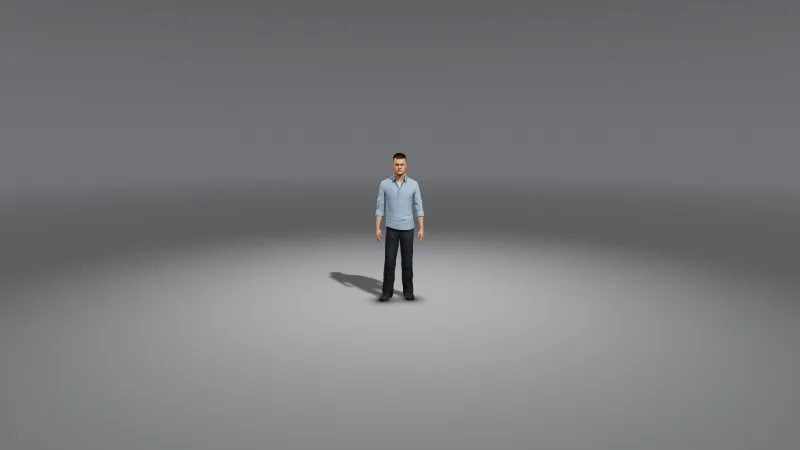
Pull-back reveal
Starts so close that the place is hidden, then shows it.