Nape
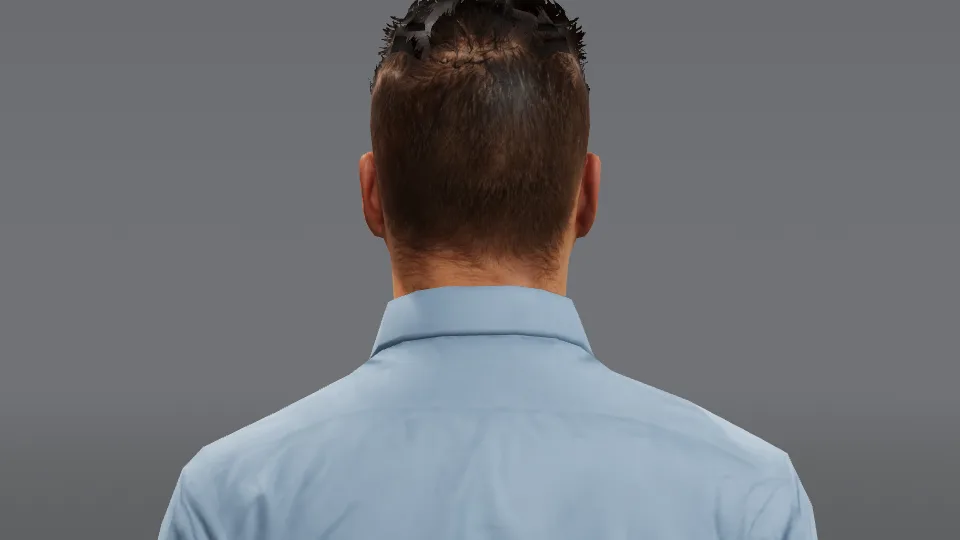
The back of the neck and head. Vulnerable, about to turn round.
- Height
- 1.6 m
- Distance
- 1.7 m
- Tilt
- Level
- Lens
- 85 mm
- Size
- Close-up
What it does
A head seen from close behind shows no expression, so small things fill the frame: tense tendons, loose hair, a collar tag. The person faces away and cannot see the camera. What lies ahead is blurred or hidden by the head. The view is often used to suggest vulnerability, or a follower close behind.
When to use it
Show it when a necklace is fastened, a recruit stands for inspection or a stranger comes too close on a bus. Filmmakers also use it often before a character turns round and shows the face.
Writing the prompt
Ask for "close-up of the back of the neck, face not visible". Describe hair, collar and whatever blurs beyond the head. Eyes and mouth cannot be seen from here, so leave them out.
Easily mixed up with
Nape
The back of the neck and head.
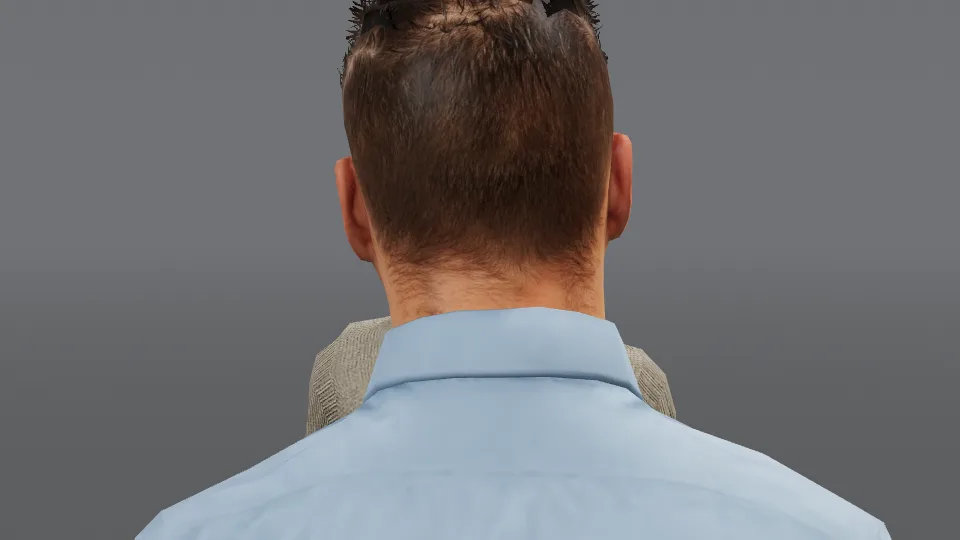
Behind the head
Uses the whole head to block our view of what lies ahead.
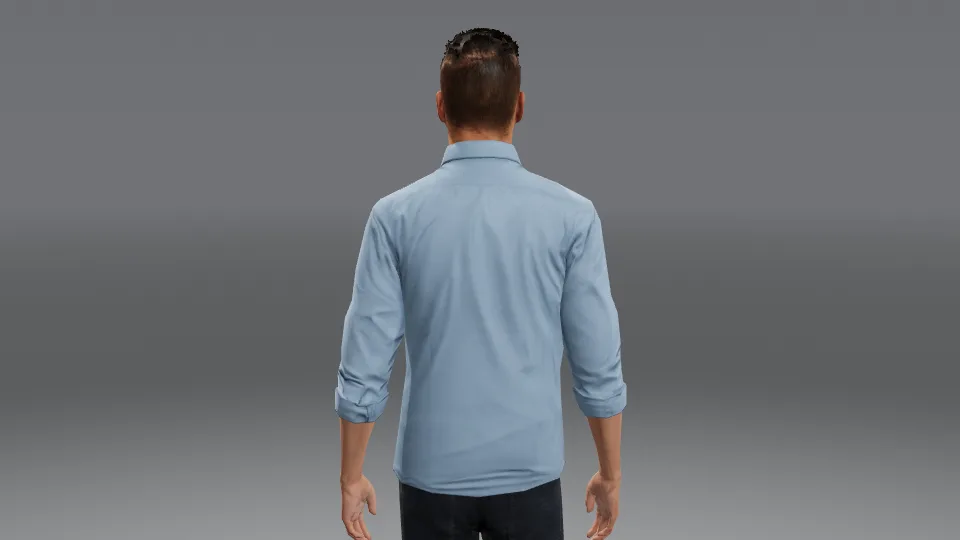
Back
Shows more of the body and often the view it faces.